Virtual Hospice CEO Group
The Virtual Hospice CEO Group meets monthly to discuss and address strategic issues facing the sector with the input of an expert external speaker.

Leading a hospice in today’s environment is uniquely difficult: funding pressures, complex regulations, partnerships, culture, and sustainability.
The Virtual Hospice CEO Group offers a high-trust, expert-facilitated monthly forum where hospice leaders can gather to challenge assumptions, test strategies, share hard truths, and learn from peers.
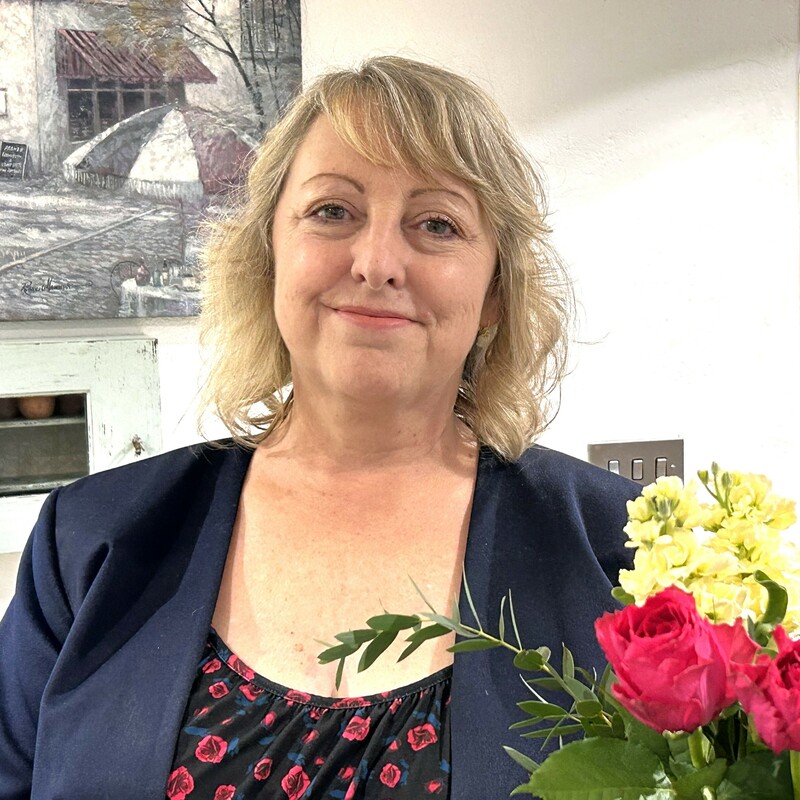
Each session combines peer-led discussion with external expert insight, ensuring that every meeting is fresh, relevant, and fully applicable to your role. Liz Searle, pictured, CEO at Keech Hospice has been a member since 2021.
‘I really enjoy the sessions. There is a great variety of speakers and I always come away with some beneficial insights or ideas. Highly recommended!’
With numbers capped to maintain intimacy and confidentiality, you’ll find inspiration and practical value that you can bring back to your hospice. Join if you want:
• A safe space to discuss existential, strategic and operational issues
• Access to tested ideas, case studies and outsider perspectives
• Peer support to reduce isolation in a high-stakes role
• A forum to push yourself and your hospice forward
Membership of the group is £175 plus VAT per session. Below are details about recent sessions. If you are interested in joining the group, please contact us by using the form below.
People who are white, English speaking, and socially advantaged are more likely to receive timely, coordinated palliative care aligned with their preferences. Whereas people from ethnic minority backgrounds often experience poor access, inadequate communication, and unmet spiritual and social needs.
This month we will be joined by Rekha Vijayshankar and Mary Hodgson to discuss their BMJ article that raises important issues around issues of race and culture in end of life care. This promises to be a challenging and thought provoking session. Please use the form above to contact me if you are interested in joining us.
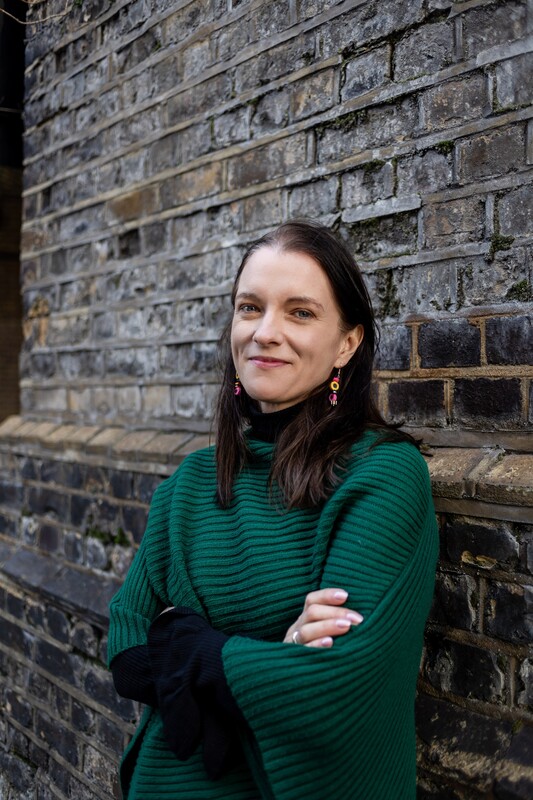
Charity consultant Felicia Willow put a question to us that most leaders will have asked themselves from time to time: what stops me speaking up in difficult situations?
Her answer was uncomfortable. Pressure from funders, boards and emotionally invested stakeholders, combined with the sector's culture of politeness, keeps leaders quiet — producing a sector often overly cautious about advocating for change.
Participants were candid about occasions they had held back, particularly with well-meaning but outdated boards where sensitive proposals stall. The most practical insight was that courage is engineered rather than summoned. Nurturing a supportive trustee who rings before the meeting to walk through the difficult items or a culture that welcomes debate rather than hunting for consensus. None of that is spontaneous bravery. It's preparation.
We also explored depersonalising the challenge by borrowing external authority — Charity Commission guidance, third-party advice, or simply what most other hospices now do.
Felicia's sharpest observation was that the sector tolerates poor behaviour and then pays people off, rather than tackling issues early.
But courage has limits. Deficits, workforce shortages and commissioning fragmentation are not problems courage alone can solve. A leader running on empty makes poor decisions, so personal sustainability is an organisational question, not simply a wellbeing one.

AI is a topic high on everyone's agenda, so it was great to welcome two speakers with real insight into what it could mean for our sector: Michael Crowther, CEO of The Kirkwood, and Dr Neil Bacon, Founder of GRACE.
Michael's starting point was purpose: AI should serve the mission of hospice care — helping people live as fully as possible until they die. He shared his own journey using AI as a thinking partner, and his PhD research into AI's impact on dignity and quality of life.
Neil brought urgency and practicality. AI is already here, and used well it can strip out administrative burden, enable hyper-personalised support, and augment — not replace — clinicians. He also explained the difference between generic AI and vertically focused, "guard-railed" tools trained on trusted sources, which offer more accurate and safer care-specific support.
The discussion ranged across trust, safety and the risk of dehumanising care, while members shared their early experiments with tools like Co-Pilot and Claude for minute-taking, policy searches, fundraising and cyber security.
When I asked people to rate their excitement about AI's potential to improve services to patients and families on a scale of 1 to 4, every response was a 3 or a 4. Some understandable concerns in the room — but much even more ambition!

Hospices are facing their most challenging ever financial operating environment. This month's session laid that reality bare - but also evidence that this can be overcome.
We heard how St Luke's in Sheffield turned five years of deficits into a break-even position and the gains in statutory funding made through the West Yorkshire Hospice Collaborative.
Other speakers shared how commercial ventures — from domiciliary care to retail and lottery income — are filling the gap left by traditional fundraising.
Given the current pressures on hospice finances — a third consecutive year of rising deficits, 30% wage inflation and falling returns from retail and fundraising — this kind of peer exchange feels more essential than ever.
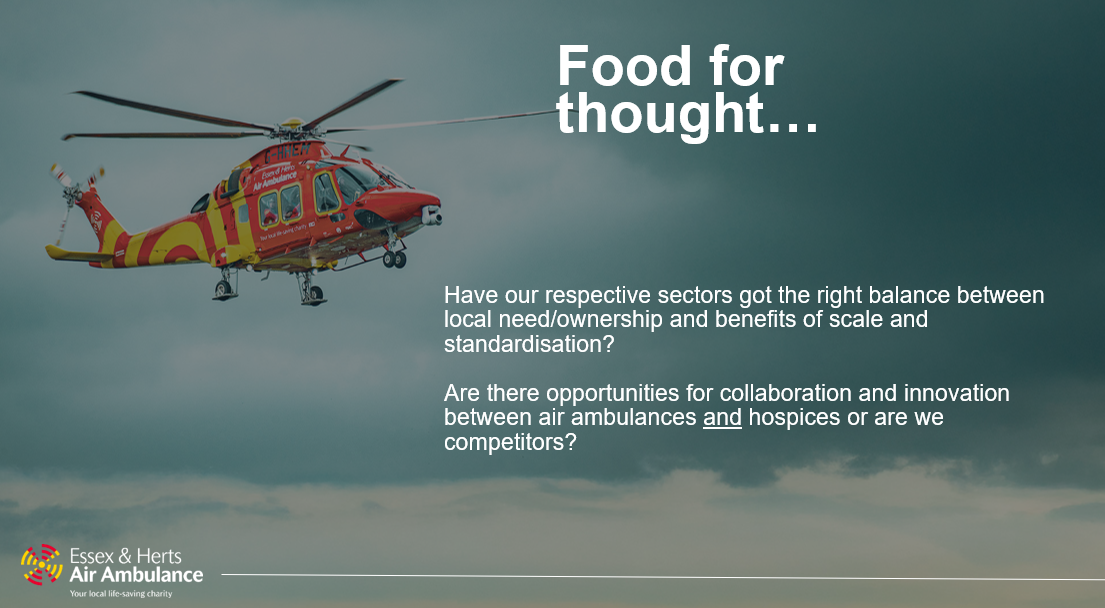
It was great to be joined this month by two AAC CEOs who previously worked for hospices to share their observations on commonalities and differences between the two sectors.
AACs are one of the fastest growing types of charities, leveraging their local nature and profile as a vital emergency service. Mark Jarman-Howe and David Welch gave us an in-sight into how they work alongside the NHS and the importance of the clinical-fundraising interface - both themes that are very relevant to hospices too.
We also explored the possibility of co-operation between such charities, for example around bereavement care and family support.
The conclusion was that hospices and AACs have much more in common than you might at first think.
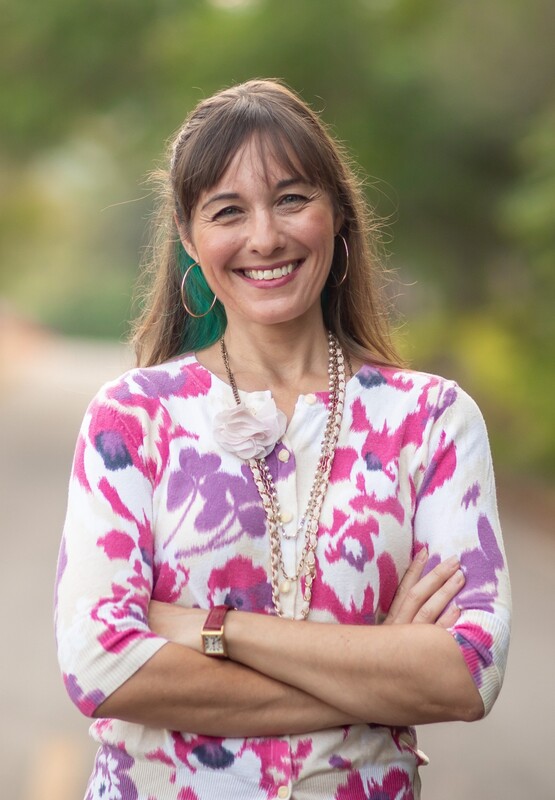
The hospice sector is facing a scale and range of challenges unprecedented in its history. But the tools we use to manage uncertainty are from another era.
Sabrina Segal is challenging the charity sector's reliance on backward looking, two dimensional tools to manage risk, such as Risk Registers.
Her approach is rooted in the idea that risk management shouldn't be a compliance exercise bolted onto strategy by using one dimensional, backward looking tools. It should be woven deep into how organisations make decisions, set objectives, and allocate resources.
Her session covers topics such as
— Why risk culture matters more than risk tools
— Systems thinking: why the real world isn't linear, and why your risk process shouldn't pretend it is
— Organisational fragility: shifting from listing threats to understanding where you're genuinely vulnerable and where you're stronger than you think
The session concluded with discussions about implementing these tools in practice, with participants expressing interest in using these for upcoming projects and scenario planning.
This session explored two significant hospice rebranding journeys.
Rachel McMillan shared Moya Cole Hospice’s bold decision to move away from the long‑established St Ann’s name. She described the research, public reaction, and the impact on staff and volunteers as they also transition into a new building and the deliberate decision to combine these two major organisational landmarks.
Rachel reflected on the balance between honouring heritage and creating a brand that better reflects their community and future ambitions, noting that early fundraising indicators are positive. They are the first hospice to make the decision to transition from a saint’s name to a more secular title. It will be fascinating to see if others follow.
Andrea Daniels outlined Keech Hospice’s two‑year rebrand, which evolved from a refresh into a full repositioning. She described the extensive stakeholder engagement and the introduction of a modern visual identity that has already driven significant increases in website traffic and social engagement.
The group discussed ROI, timing, and the practicalities of embedding a new brand across large teams and retail estates.
A rich and energising discussion that highlighted both the courage and the complexity involved in reshaping a hospice’s identity while staying true to its roots.
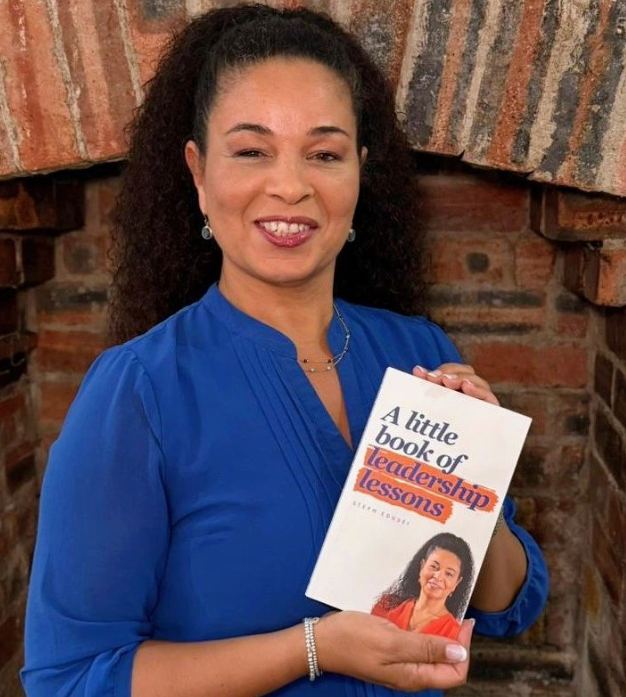
Steph is one of the most admired CEOs in the sector, acknowledged for her calm, honest and inclusive style. This session involved a discussion about some of the ideas in her book ‘Little Lessons in Leadership.’
The group explored challenges and experiences related to leadership expectations, particularly around gender and cultural fit, while discussing the importance of authenticity, work-life balance, and creating supportive environments.
The session concluded with reflections on personal leadership journeys, the value of coaching and open communication.
An inspiring and invigorating hour and a half.
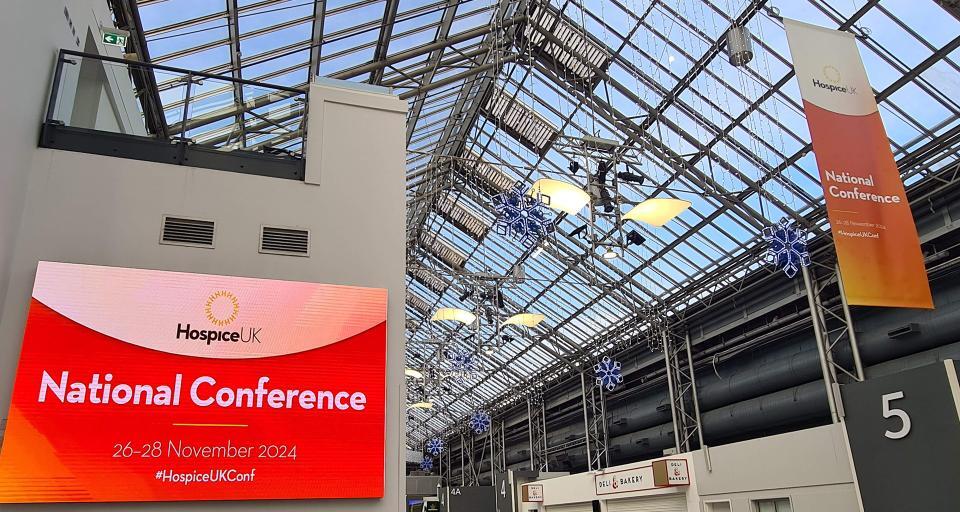
Our final session of the year discussed some of the main topics coming out of the recent Hospice UK conference in Liverpool.
CEOs were largely pessimistic that the NHS long-term plan and the creation of a 'Modern Service Framework' will lead to a fundamental and positive increase to funding.
However, there was some optimism that when (if?) Assisted Dying legislation is passed, this may be the factor that makes the case for proper long-term funding of end of life care unstoppable.
The irony here is that legislation that many people in the sector do not support or at least have grave concerns about, could prove to be the catalyst to sustainable funding.
When I asked people to summarise what 2025 had meant for them, the responses were, somewhat to my surprise, full of optimism, hope and achievement despite all the great challenges that everyone is aware of.
This ‘realistic resilience’ is testimony to the passion and drive that has always been a feature of hospice care and will be vital to maintain going forward to face the challenges of 2026.
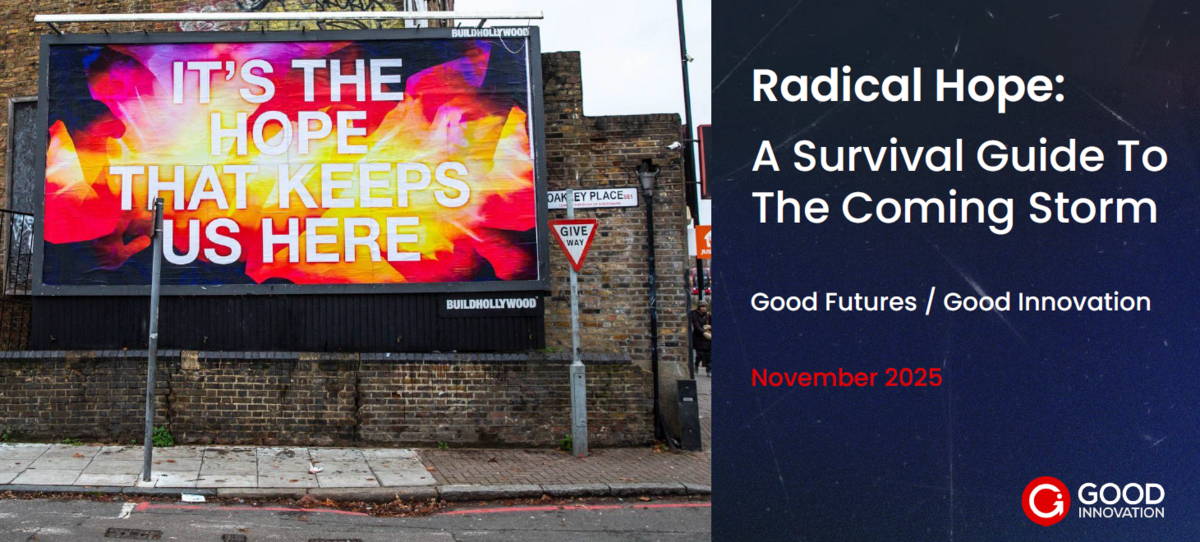
It was great to have Daisy O'Reilly-Weinstock with us this month - her second session after discussing The Future of Charity' report a couple of years ago.
Daisy pushed us to re-think core concepts and assumptions, whilst proposing her model of ‘radical hope’ as a framework to inspire us in challenging times. Two of the quotes from her latest report show her passion.
‘Hope has dirt on her face, blood on her knuckles, the girt of the cobblestones in her hair, and just spat out a tooth and she rise for another go.’
‘Hope is co-created. It grows in proximity, in relationship, and shared ownership. It means moving beyond participation as a gesture and into participation. The communities you serve are not just recipients. They are co-builders of change. Shift your posture. Share the pen. Build structures that hold more than one voice at a time.’

The commitment to invest £60 million over 6 years in end of life care by the NW London ICB has raised huge interest across the hospice sector in recent months. So, we were delighted to be joined by Jane Wheeler, CEO of Harlington Hospice one of the four independent services who will benefit from this funding.
Jane’s dual perspective as the former NW London ICB Director and now CEO of a hospice offered rare insight into what made this work.
I could write several pages of learning points from what Jane said to us. But these are three of the key ones.
1. Build Brick by Brick — and Don’t Start with Funding. The partnership began not with a plea for money, but with a shared commitment to equity of services across communities.
2. Co-Commissioning Is More Than a Buzzword. Hospices weren’t just seen as providers — they were positioned as co-commissioners.
3. Present as One Voice. The four charitable hospices aligned messaging, resolved any differences offline, and showed up united. The benefits of working in such a collaborative manner have been seen elsewhere in the country, such as West Yorkshire and Kent.
In what has been such a difficult year for so many hospices, this was an uplifting session.
